

About
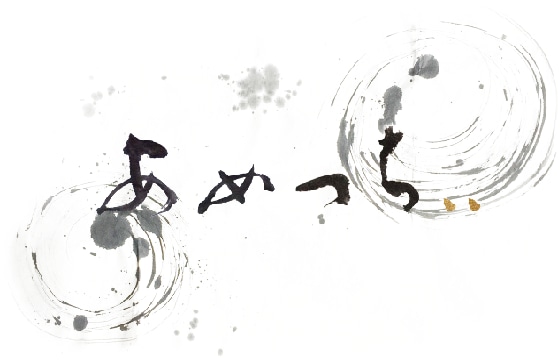
「あめ」は天、「つち」は地。
古事記の始めの言葉に
『あめつちはじめのとき…』とあるように、
はるか遠い昔、人は
目の前に広がる自然、地球 宇宙そのものを
”あめつち”といいました。
そこには
自然を敬い、畏れず、
ともに生きる暮らしがありました。
情報の渦にのまれ、
本来の自分を忘れてしまいがちな
現代を生きる私たち。
自然や地球のかけらにふれ
ほっとする感覚があります。
それは地球と響き合う心地よさを
無意識に味わっているから。
"素材は 地球から生まれ
地球に還る あめつちのかけら”
自然素材を使用し
触れることでととのう感覚の商品を
さまざまな形でご提案いたします。
“Ame” is Heaven.
“Tsuchi” is Earth.
In the opening lines of Kojiki,
the ancient chronicle of Japan,
it is written:
“When heaven and earth first came into being…”
Long ago,
people named the vast natural world before them—
the Earth itself—
Ame-tsuchi.
They honored it,
felt awe in its presence,
and lived gently alongside it.
In the rush of modern life,
we have drifted away from this knowing.
And yet,
when we touch a fragment of the Earth,
something within us quietly softens,
and we feel at ease.
Perhaps it is because
these pieces of the Earth
reach the deepest part of who we are—
for we, too, are born of the same origin.
Materials
born from the Earth,
returning to the Earth—
fragments of Ame-tsuchi.
We shape them into many forms,
and offer the quiet comfort
of living in resonance with the Earth.